
Understanding Hernia: Types, Symptoms and Laparoscopic Repair
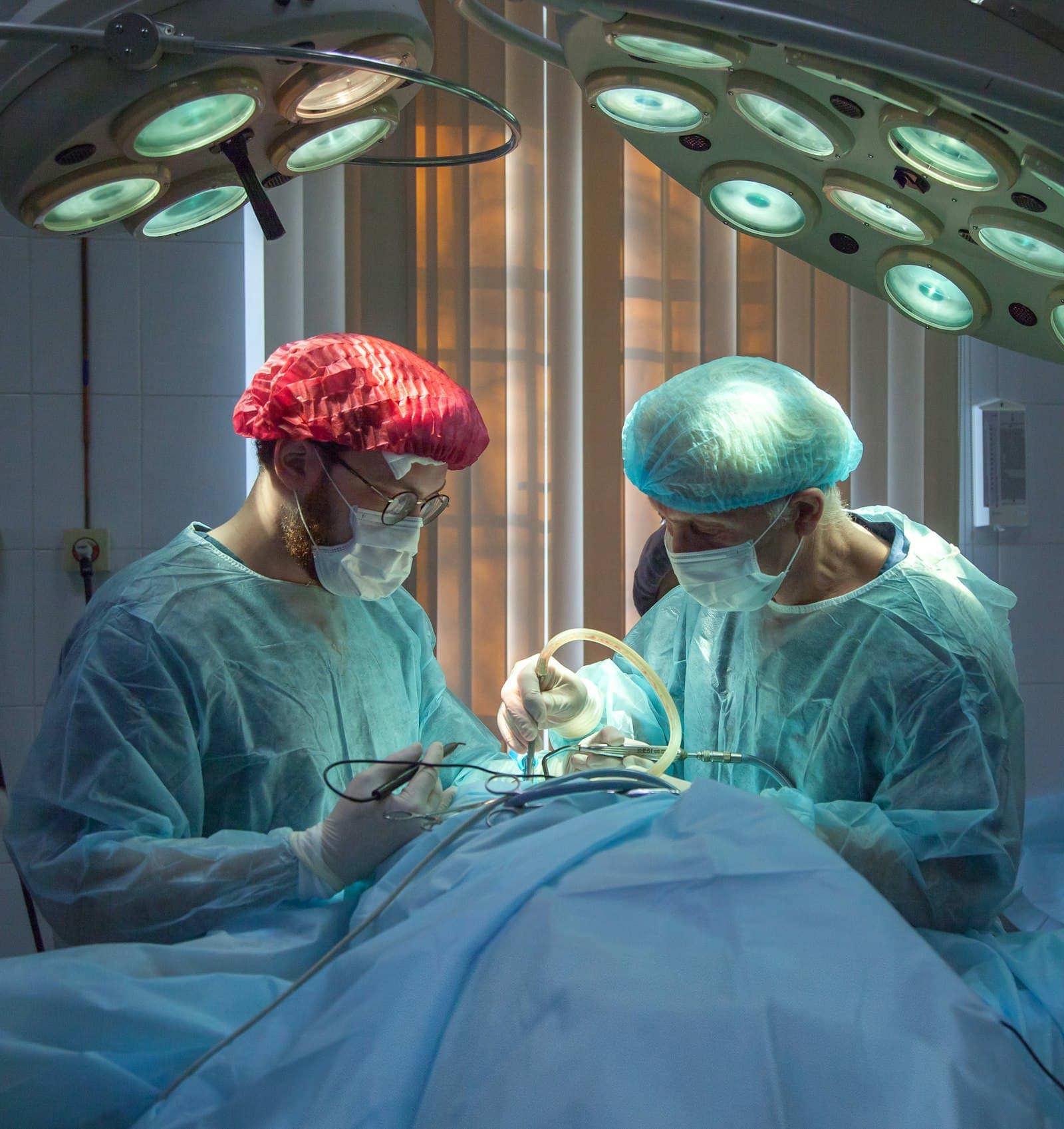
A hernia is one of the most common surgical conditions worldwide, yet it is often ignored until it becomes painful or dangerous. Simply put, a hernia occurs when an internal organ or tissue pushes through a weak spot in the surrounding muscle or connective tissue. While a small hernia may seem harmless at first, it does not heal on its own and tends to grow larger over time. Understanding the types, symptoms and modern treatment options can help you act early and avoid complications.
What causes a hernia?
Hernias develop when there is a combination of muscle weakness and strain. The weakness may be present from birth or may develop with age, previous surgery or injury. Strain that pushes tissue through the weak area can come from:
- Heavy lifting or sudden physical exertion
- Chronic coughing or sneezing
- Straining during bowel movements or urination
- Pregnancy and obesity
- Persistent pressure on the abdominal wall
Common types of hernia
Hernias are named according to where they occur. Knowing the type helps explain the symptoms and the best repair approach.
Inguinal hernia
The most common type, occurring in the groin. It is far more frequent in men and appears as a bulge that may become more prominent when standing, coughing or lifting.
Umbilical hernia
Occurs near the belly button. It is common in infants but can also affect adults, particularly after pregnancy or with obesity.
Incisional hernia
Develops at the site of a previous surgical scar where the muscle has not healed completely, allowing tissue to push through.
Hiatal hernia
Occurs when part of the stomach pushes up through the diaphragm into the chest cavity, often causing acid reflux and heartburn rather than a visible bulge.
Femoral hernia
Appears in the upper thigh just below the groin. It is less common but carries a higher risk of complications and is seen more often in women.
Symptoms you should not ignore
The classic sign of a hernia is a visible bulge that may disappear when you lie down. Other symptoms include a dragging or aching sensation, discomfort when bending or lifting, and a feeling of pressure or weakness in the affected area. A hiatal hernia may instead cause heartburn, difficulty swallowing or chest discomfort.
Why a hernia should not be left untreated
The most important thing to understand is that a hernia will not repair itself, and delaying treatment carries real risks. As a hernia enlarges, more tissue can push through. In some cases the trapped tissue becomes incarcerated (stuck and unable to be pushed back) or, more seriously, strangulated, where the blood supply is cut off. Strangulation is a surgical emergency that can lead to tissue death and requires immediate operation. Sudden severe pain, redness, nausea or a hernia that suddenly becomes hard and tender should be treated as an emergency.
How a hernia is diagnosed
Most hernias are diagnosed with a simple physical examination. Your surgeon may ask you to stand and cough to make the bulge more obvious. In some cases an ultrasound, CT scan or MRI is used to confirm the diagnosis, particularly for hidden or complex hernias.
Treatment: surgery is the only cure
While a supportive belt may temporarily ease symptoms, surgery is the only way to truly repair a hernia. There are two main surgical approaches.
Open hernia repair
The surgeon makes an incision near the hernia, returns the tissue to its correct place, and reinforces the weak area — usually with a mesh that strengthens the muscle wall and reduces the chance of recurrence. Open repair is reliable and sometimes preferred for very large or complicated hernias.
Laparoscopic (keyhole) repair
Laparoscopic repair has become the gold standard for many hernias. The surgeon makes a few small incisions, inserts a tiny camera and instruments, and places a mesh from the inside to reinforce the defect. The benefits are significant:
- Smaller scars and less visible marks
- Less post-operative pain than open surgery
- Faster return to work and daily activities
- Lower wound infection risk
- Ability to repair hernias on both sides through the same small cuts
Recovery after hernia surgery
Recovery depends on the technique and the size of the hernia. After laparoscopic repair, many patients go home the same day and return to light activity within a week. You will be advised to avoid heavy lifting and strenuous exercise for a few weeks to allow the mesh and tissues to heal firmly. Keeping the bowels regular, maintaining a healthy weight and building core strength gradually all help prevent recurrence.
When to see a surgeon
If you notice a bulge, dragging sensation or discomfort in the groin, abdomen or near an old scar, it is wise to have it assessed early. Planned surgery for a small hernia is far simpler and safer than emergency surgery for a strangulated one. An experienced general and laparoscopic surgeon can examine you, explain your options, and recommend the repair that offers the quickest, safest recovery for your situation.
Frequently Asked Questions
Can a hernia heal without surgery?
No. A hernia is a physical defect in the muscle wall and cannot close on its own. Supports or belts may ease symptoms temporarily, but only surgery repairs the weakness permanently and prevents complications such as strangulation.
Is hernia surgery a major operation?
Most hernia repairs are safe, routine operations, and laparoscopic repair is often done as a day-care or overnight procedure. While every surgery carries some risk, modern mesh techniques are reliable and have a low recurrence rate.
How soon can I return to work after hernia repair?
After keyhole repair, many people with desk jobs return within about a week, while those doing heavy physical work usually need a few weeks. Your surgeon will advise you to avoid heavy lifting until the repair has healed firmly.
Can a hernia come back after repair?
Recurrence is uncommon with mesh reinforcement, but it can happen, especially if heavy strain resumes too soon. Maintaining a healthy weight, treating chronic cough or constipation, and building core strength gradually all help protect the repair.
Disclaimer: This article is for general education only and is not a substitute for professional medical advice. Always consult a qualified surgeon or doctor about your specific condition before making treatment decisions.