
Laparoscopic (Keyhole) Surgery: Benefits and Recovery
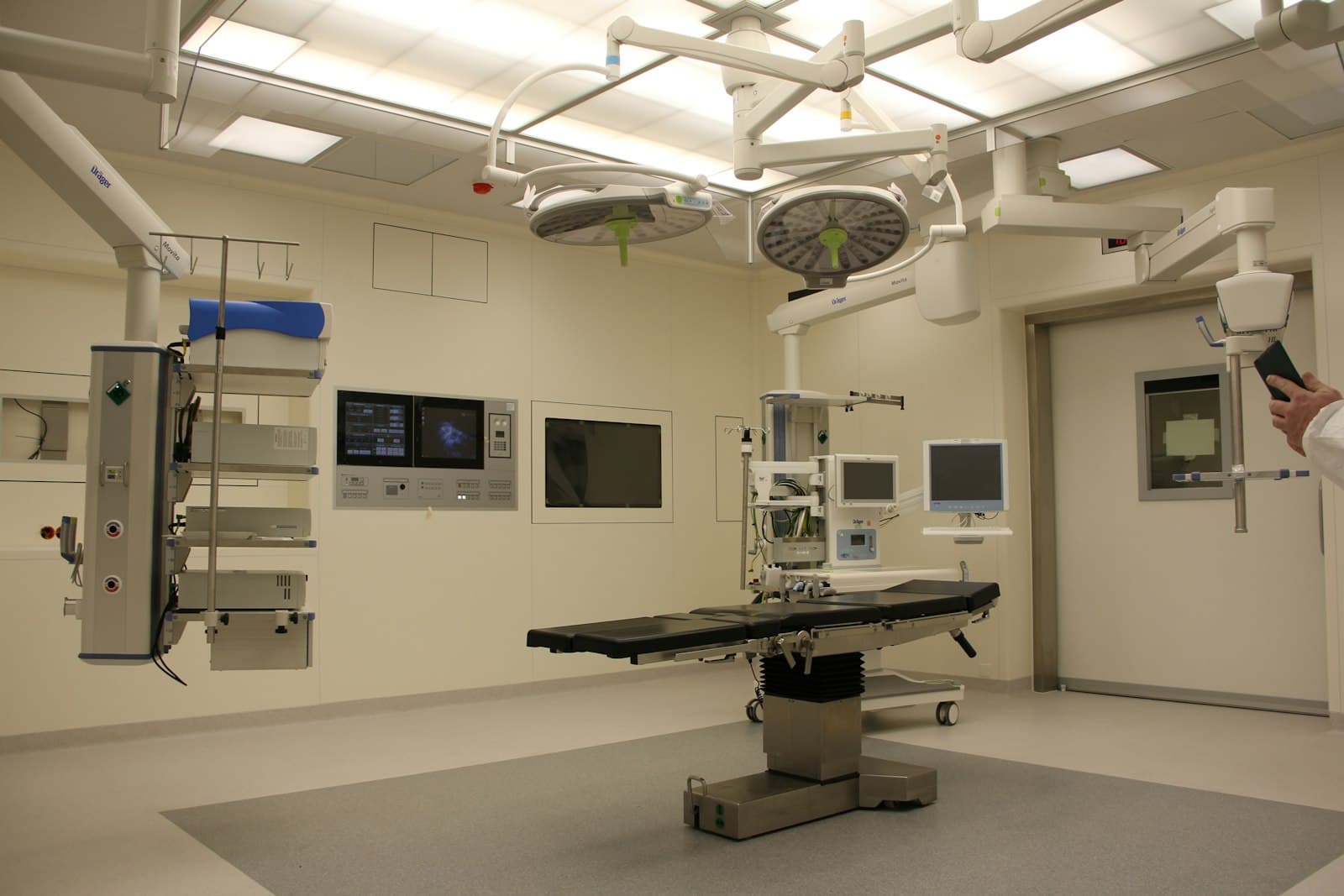
Over the past few decades, few advances have changed surgery as much as laparoscopy, commonly known as keyhole surgery. What once required a large incision and a long hospital stay can now often be done through a few small cuts, with patients going home within a day or two. If your surgeon has recommended a laparoscopic procedure, understanding how it works and what to expect can help you feel confident and prepared.
What is laparoscopic surgery?
Laparoscopic surgery is a minimally invasive technique in which operations are performed through several small incisions, usually less than a centimetre long, rather than one large opening. The surgeon inserts a laparoscope — a thin tube with a high-definition camera and light — through one incision, and specialised long, slender instruments through the others. The camera projects a magnified view of the inside of the body onto a screen, allowing the surgeon to operate with precision while watching in real time.
How is it performed?
During the procedure, carbon dioxide gas is gently used to inflate the abdomen, creating space for the surgeon to see and work safely. Guided by the magnified camera view, the surgeon carries out the operation using the fine instruments. Once complete, the gas is released, the instruments are removed, and the small incisions are closed with a stitch or two or surgical glue. The magnification often allows even greater precision than the naked eye during open surgery.
Common laparoscopic procedures
Laparoscopy is now used for a wide range of operations, including:
- Gallbladder removal (cholecystectomy) for gallstones
- Appendix removal (appendicectomy)
- Hernia repair
- Weight-loss (bariatric) surgery
- Many gynaecological operations
- Certain intestinal and other abdominal procedures
The benefits of keyhole surgery
The popularity of laparoscopic surgery comes from a clear set of advantages over traditional open surgery:
- Smaller scars — a few tiny marks instead of one long incision
- Less pain after the operation, meaning fewer painkillers
- Shorter hospital stay — many procedures are day-care or overnight
- Faster recovery and earlier return to work and normal life
- Lower risk of wound infection and incisional hernia
- Less blood loss during surgery
Are there any risks?
Like all surgery, laparoscopy carries some risks, though serious complications are uncommon. These can include bleeding, infection, or injury to nearby structures, and reactions to anaesthesia. Occasionally, a surgeon may need to convert to open surgery if the anatomy is unclear or unexpected difficulties arise; this is a responsible safety decision rather than a failure. Choosing an experienced laparoscopic surgeon and a well-equipped facility keeps risks to a minimum.
Preparing for laparoscopic surgery
Preparation is similar to other planned operations. You may be asked to stop eating and drinking for several hours beforehand, adjust certain medications, and complete routine tests. Your surgeon will explain the procedure, obtain your consent, and answer your questions. Arranging for someone to take you home and help for the first day is sensible, as you will still be recovering from anaesthesia.
Recovery after keyhole surgery
One of the greatest benefits of laparoscopy is the smooth recovery. Because the incisions are small, most people experience only mild discomfort that is easily controlled. It is common to feel bloating or shoulder-tip discomfort for a day or two from the gas used during surgery, which settles on its own. Gentle walking helps recovery, while heavy lifting and strenuous exercise are usually avoided for a few weeks. Most patients resume desk-based work within a week, depending on the operation.
Tips for a smooth recovery
- Follow your surgeon's advice on medication and wound care
- Start moving gently soon after surgery to aid circulation
- Eat light, balanced meals and stay hydrated
- Keep the small wounds clean and dry as instructed
- Attend your follow-up appointment and report any fever, increasing pain or redness
The bottom line
Laparoscopic surgery offers a safe, effective and far gentler alternative to traditional open operations for many conditions. With smaller scars, less pain and a quicker return to everyday life, it is no surprise that keyhole surgery has become the preferred approach for so many procedures. If surgery has been recommended for you, ask your surgeon whether a laparoscopic option is suitable — for many patients, it makes the whole experience considerably easier.
Frequently Asked Questions
Is keyhole surgery safe?
Laparoscopic surgery is very safe and is now the standard approach for many operations. As with any procedure there are small risks, but serious complications are uncommon, especially when the surgery is done by an experienced team in a well-equipped facility.
How long does recovery take?
Recovery is usually faster than after open surgery. Many patients go home the same or next day and resume desk work within about a week, depending on the operation, while avoiding heavy lifting and strenuous exercise for a few weeks.
Will I have visible scars?
The incisions are only a few millimetres to a centimetre long, so scars are small and fade over time. This is one of the main cosmetic advantages of keyhole surgery over a single large incision.
Why might a laparoscopic operation be converted to open surgery?
Occasionally the anatomy is unclear, there is heavy scarring, or unexpected difficulty arises. In such cases the surgeon may switch to open surgery for safety. This is a responsible decision to protect you, not a failure of the operation.
Is laparoscopic surgery more expensive?
Equipment costs can make the procedure itself slightly more expensive, but a shorter hospital stay, quicker recovery and fewer wound complications often balance this out. Your care team can explain the expected costs clearly in advance.
Will I be awake during keyhole surgery?
Most laparoscopic operations are performed under general anaesthesia, so you are fully asleep and feel nothing during the procedure. The anaesthetist monitors you closely throughout and will discuss the type of anaesthesia and answer any questions before you go to theatre.
Disclaimer: This article is for general education only and is not a substitute for professional medical advice. Always consult a qualified surgeon or doctor about your specific condition before making treatment decisions.