
Gallstones and Laparoscopic Gallbladder Surgery: A Patient's Guide
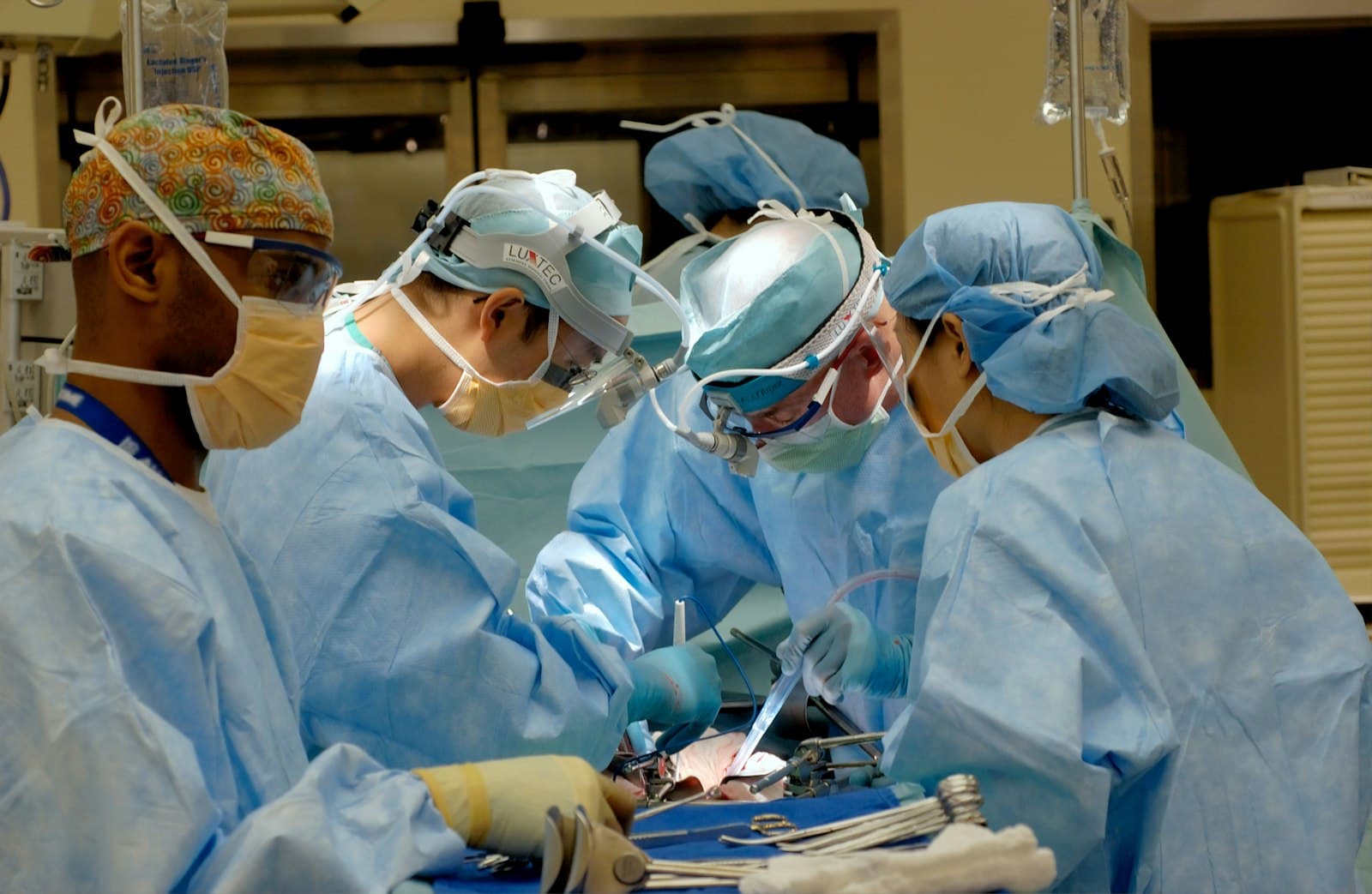
Gallstones are a surprisingly common problem, affecting a significant portion of adults, many of whom do not even know they have them. The gallbladder is a small, pear-shaped organ that sits under the liver and stores bile, a fluid that helps digest fats. When the balance of substances in bile is disturbed, hard deposits called gallstones can form. For some people they cause no trouble at all, while for others they lead to severe pain and serious complications. This guide explains when gallstones need treatment and what modern keyhole surgery involves.
What are gallstones?
Gallstones are solid particles that form in the gallbladder. They range in size from a grain of sand to a golf ball, and a person may have one large stone, hundreds of tiny ones, or a mixture. Most gallstones are made largely of cholesterol, while others contain bile pigments. They form when bile contains too much cholesterol or bilirubin, or when the gallbladder does not empty properly.
Who is at risk?
Several factors increase the likelihood of developing gallstones:
- Being female, especially during the reproductive years
- Increasing age
- Obesity and rapid weight loss
- A diet high in fat and low in fibre
- Pregnancy and certain hormonal changes
- A family history of gallstones and diabetes
Symptoms of gallstones
Many gallstones are "silent" and discovered by chance during a scan for another reason. When they do cause symptoms, the classic complaint is biliary colic — a sudden, intense pain in the upper right or centre of the abdomen, often after a fatty meal. The pain may spread to the back or right shoulder and can last from a few minutes to several hours. Other symptoms include nausea, vomiting, bloating and indigestion.
When gallstones become dangerous
Problems arise when a stone blocks one of the ducts that carry bile. This can lead to several complications:
- Cholecystitis — inflammation of the gallbladder, causing severe, constant pain and fever
- Jaundice — yellowing of the skin and eyes when a stone blocks the main bile duct
- Pancreatitis — inflammation of the pancreas, a serious and sometimes life-threatening condition
- Infection of the bile ducts (cholangitis)
Because of these risks, symptomatic gallstones are usually treated rather than left alone.
How gallstones are diagnosed
An abdominal ultrasound is the most common and reliable test for gallstones. It is quick, painless and highly accurate. Blood tests may be done to check liver function and look for signs of infection or inflammation, and occasionally more detailed scans such as MRCP are used to look for stones in the bile duct.
Treatment: why removing the gallbladder is the standard
Medicines that dissolve gallstones exist but work slowly and only for certain small stones, and stones frequently return. For this reason, the definitive treatment for troublesome gallstones is removal of the gallbladder itself, a procedure called cholecystectomy. Importantly, you can live a completely normal life without a gallbladder — the liver continues to produce bile, which simply flows directly into the intestine.
Laparoscopic cholecystectomy: keyhole surgery
The vast majority of gallbladder removals today are performed laparoscopically. The surgeon makes three or four tiny incisions in the abdomen, inserts a camera and fine instruments, and carefully detaches and removes the gallbladder. The advantages over traditional open surgery are considerable:
- Tiny scars instead of a large incision
- Much less pain after surgery
- Short hospital stay — often a day-care or overnight procedure
- Quick recovery — many people resume normal activity within a week
- Lower risk of wound infection and hernia
In a small number of complex cases — severe inflammation, scarring or unclear anatomy — the surgeon may convert to open surgery for safety. This is not a complication but a sensible decision to protect the bile ducts.
Life and diet after gallbladder removal
Most people digest food normally after surgery. In the first few weeks it is sensible to eat smaller, lower-fat meals as the body adjusts, then gradually return to a balanced diet. Some people notice looser stools initially, which usually settles. A diet rich in fibre, fruit and vegetables and low in greasy, fried food supports comfortable digestion.
When to see a surgeon
If you experience repeated bouts of upper abdominal pain after meals, or any episode of severe pain with fever, vomiting or yellowing of the eyes, seek medical advice promptly. Early assessment allows planned keyhole surgery, which is far simpler than emergency surgery during an acute attack. A qualified laparoscopic surgeon can confirm the diagnosis with a simple scan and guide you through a smooth, minimally invasive treatment.
Frequently Asked Questions
Can I live a normal life without a gallbladder?
Yes. The gallbladder only stores bile; it is not essential for digestion. After removal, the liver continues to make bile, which flows directly into the intestine. The vast majority of people eat and live completely normally afterwards.
Can gallstones be dissolved with medicine?
Certain small cholesterol stones can slowly dissolve with medication, but treatment takes months, works only in select cases, and stones frequently return once it stops. For symptomatic gallstones, removing the gallbladder is the definitive and most reliable solution.
Is gallbladder surgery risky?
Laparoscopic gallbladder removal is one of the most commonly performed and safest operations. As with any surgery there are small risks, but serious complications are uncommon in experienced hands, and recovery is usually quick.
What can I eat after gallbladder removal?
In the first few weeks it helps to eat smaller, lower-fat meals while your body adjusts. Most people then return to a normal balanced diet. A high-fibre diet with limited greasy, fried food supports comfortable digestion.
Do all gallstones need to be removed?
No. Silent gallstones that cause no symptoms are often simply monitored, as the risk of them causing trouble each year is relatively low. Removal is generally recommended once stones cause pain or complications, or in certain higher-risk situations that your surgeon will discuss with you.
Disclaimer: This article is for general education only and is not a substitute for professional medical advice. Always consult a qualified surgeon or doctor about your specific condition before making treatment decisions.